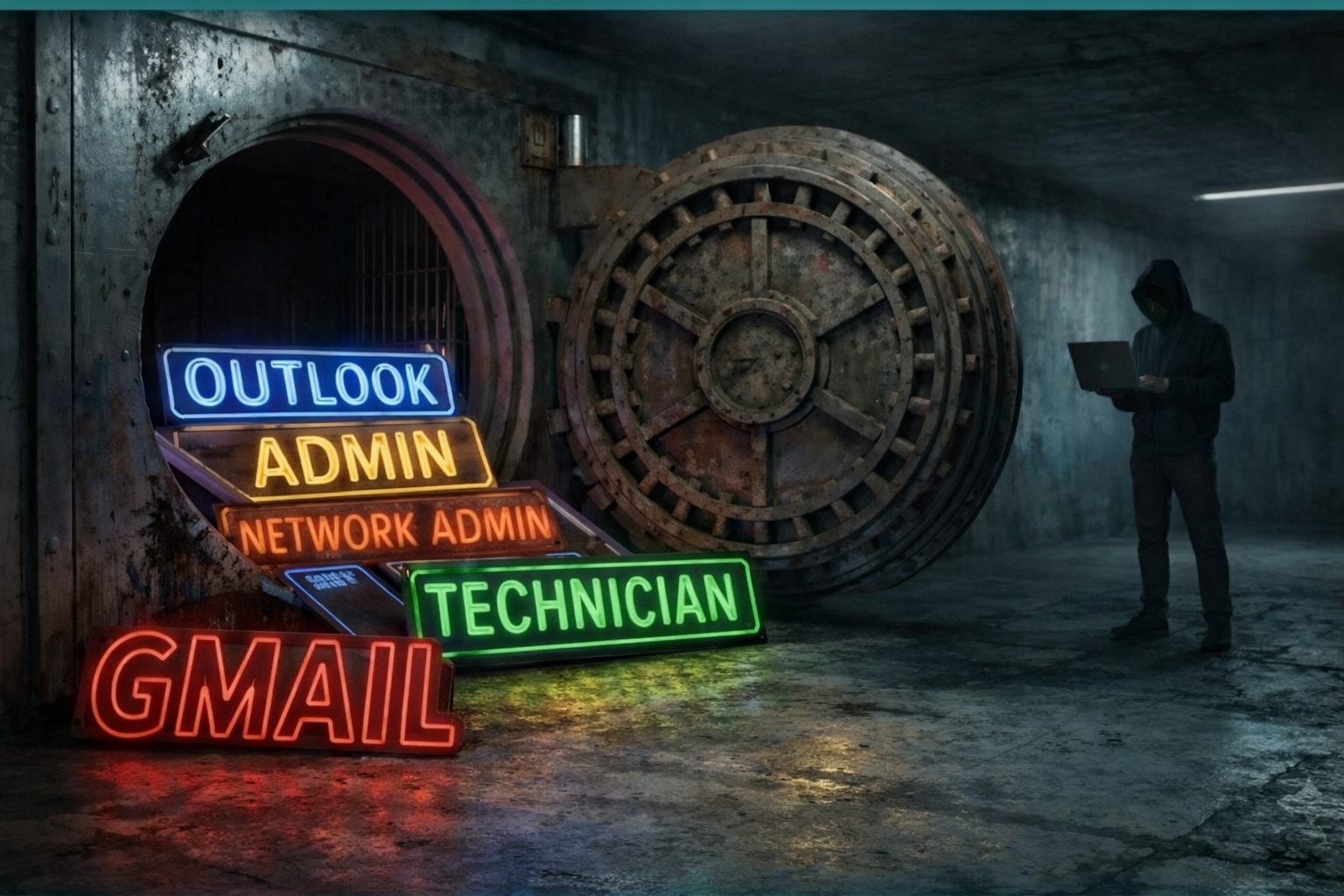
Recently, news broke of a massive credential dataset—149 million usernames and passwords—being found exposed on a public server. The data included credentials tied to Gmail, Facebook, Instagram and more, and was reportedly compiled from malware-infected devices rather than a breach of major tech companies themselves.
Stories like this remind everyone how fragile password security can be—and why traditional password practices are a top target for attackers. But for Managed Service Providers (MSPs) using TechIDManager, this kind of credential exposure doesn’t trigger the same risk of compromise that it might for traditional shared-password management approaches.
What Happened with the 149M Credential Leak?
The exposed dataset contained millions of plaintext login credentials that were publicly accessible because the hosting server lacked proper security protections and encryption. The credentials included not just usernames and passwords, but direct login URLs for popular services—exactly the kind of information attackers test automatically once they get their hands on them.
Right now, we’re in an era where credential theft via malware, misconfiguration, and reuse continues to be a leading way attackers gain unauthorized access. Simply resetting a password isn’t always enough if a device is infected or the password is shared across multiple systems.
Shared Passwords Are the Weak Link for MSPs
Traditional MSP environments often depend on:
- Shared admin passwords across technicians and clients
- Static credentials stored in spreadsheets or simple vaults
- Manual password rotations
- No clear audit trail of who logged in where
This approach means if credentials leak—whether through malware, phishing, or insider threats—attackers can reuse them across multiple client environments with confidence. Worse, MSPs themselves may struggle to know which accounts were compromised and whose access to revoke first.
How TechIDManager Changes the Game
1. Unique Credentials Per Technician
TechIDManager doesn’t rely on shared passwords. Instead, each technician gets unique, per-environment admin accounts that are tied to them individually. These credentials are never reused across clients or systems.
This simple principle eliminates the sort of catastrophic lateral movement attackers love—where a single leaked admin password gives them access across an entire fleet of environments.
2. Automated Rotation Makes Leaked Credentials Useless
Even if a credential were somehow harvested (for example via malware), TechIDManager’s automated password rotation means those credentials become invalid quickly—far faster than a static, manually-managed password ever would.
This is crucial because most modern credential leaks are not instantaneous breaches of big companies; they are accumulated over time via infostealer malware that captures whatever login data it can see.
3. End-to-End Encryption Protects Password Storage
TechIDManager stores credentials so that only the technician who owns them can decrypt and use them. The system uses asymmetric encryption keys tied to each technician so even a database compromise won’t give attackers any decryptable passwords.
In other words: if an attacker managed to access our stored credentials, they wouldn’t be able to see anything usable.
4. Full Auditing and Accountability
One of the biggest challenges during a security incident is figuring out who accessed what—and when. Shared accounts muddy this timeline. With TechIDManager, every credential use is logged and tied to an individual technician, making incident response faster and more accurate.
Security That Assumes Credentials Will Be Stolen
As credential leak stories keep hitting headlines, the industry is clear on one thing: credentials are the new frontline in cybersecurity. Once attackers get valid logins, they don’t need to exploit technical vulnerabilities—they simply log in.
For MSPs who rely on shared passwords and static credential practices, that’s a terrifying proposition. But for MSPs who have embraced identity-first privileged access management with TechIDManager, it’s a problem that’s already solved.
Want to take the next step in protecting your MSP clients?
Schedule a demo to see how unique credentials, automated rotation, and airtight encryption can protect your business even in the face of massive credential leaks—without adding work for your technicians.